Category
Vape Coils & Tanks
Coils and tanks are the working heart of any refillable vape. The coil heats the liquid; the tank holds it. Get these two right for your setup and everything else, the flavour, the throat hit, how long a fill lasts, falls into place.
We stock replacement coils and tanks from the brands that actually appear in vapers' drawers: Aspire, Geekvape, Innokin, Vaporesso, Voopoo, OXVA, Smok and Uwell. Whether you run an MTL pod kit on nic salts or a sub-ohm tank with high-VG shortfill, the matching coil is here.
Not sure what you need? The guide below explains the differences, the lifespan you can expect and exactly how to get the best from each coil before you burn it out on day one.
52 products
Filter by(52 products)
What a vape coil actually does
Strip a coil apart and you get wire wrapped in cotton or another wicking material. The wire heats up when you fire the device; the cotton, soaked in e-liquid, turns that liquid into vapour. That is the entire mechanism. Simple in principle, which makes it easy to forget how much the coil type shapes your whole vaping experience.
The resistance rating (ohms) determines how the coil behaves. A sub-ohm coil, anything below 1.0 ohm, runs at higher wattage and produces a warm, cloud-heavy draw suited to high-VG shortfill. A higher-resistance coil, typically 0.8 ohm and above, runs cooler, uses less liquid and delivers the tighter, more cigarette-like pull that most nic salt users prefer.
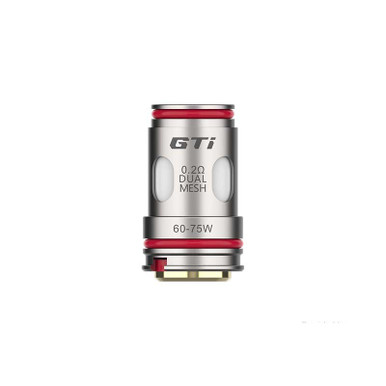
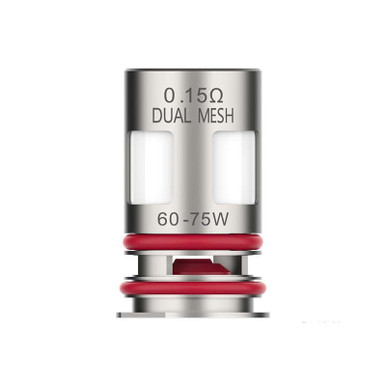
Mesh coils take things a step further. Instead of wire wound into a spiral, they use a fine metal mesh as the heating element. The larger surface area means more even heat distribution, more consistent flavour and, in practice, a coil that often lasts a bit longer than a standard round-wire equivalent.
Sub-ohm vs MTL: which coil is right for you
Coils come in two broad camps. Pick the wrong camp for your device and the liquid, and you will wonder why vaping ever appealed.
| Sub-ohm (below 1.0 ohm) | MTL (1.0 ohm and above) | |
|---|---|---|
| Wattage | Higher, typically 30W+ | Lower, typically 8W to 20W |
| Draw style | Direct-to-lung (DTL) | Mouth-to-lung (MTL), cigarette-like |
| Vapour | Large clouds, warm vape | Less vapour, cooler draw |
| Throat hit | Gentler (despite higher wattage) | Stronger, more comparable to cigarettes |
| Best liquid | High-VG shortfill (70/30 VG/PG) | Nic salts or 50/50 e-liquid |
| Liquid use | High, a tank empties fast | Low to moderate |
| Who it suits | Experienced vapers chasing clouds or flavour | Ex-smokers, lighter vapers, nic salt users |
These are starting points, not hard rules. Some people run 0.6 ohm coils at moderate wattage for a middle-ground experience.
How long should a coil last?
The honest answer is: it depends how much you vape. A heavy vaper, someone who goes through most of a tank per day, should expect to change coils every four to six days. A more moderate vaper might get ten to fourteen days from the same coil. Light or social vapers sometimes push three weeks, though the flavour will have dropped noticeably before then.
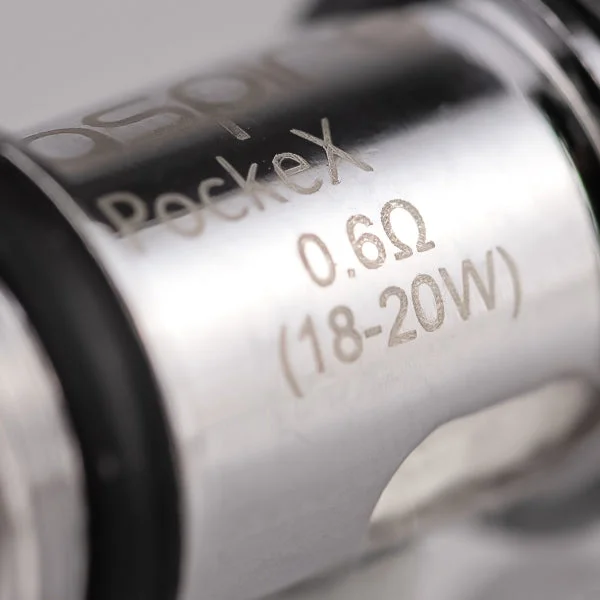
Two things shorten coil life faster than heavy use: sweet e-liquids and high wattage. Dessert flavours, caramels, thick fruits, anything with a lot of sweetener, will gunk up a coil in days. Running a coil above its recommended wattage range scorches the cotton and kills it almost immediately. Both are avoidable. The wattage range is printed on the coil itself.
The signal to change is a burnt or muted taste. Some coils give you a gentler warning first, a slight harshness or loss of flavour, before the full burnt hit arrives. Change it when the flavour fades, not when the taste becomes unpleasant.
Prime the coil before your first puff
Ninety percent of "my new coil tasted burnt straight away" complaints come from the same mistake: not priming. Before you fire a fresh coil, fill the tank and wait two to five minutes. The cotton needs time to soak through completely. For sub-ohm coils especially, add a few drops of liquid directly to the visible cotton ports before fitting the coil, then wait. Those two minutes will more than double the lifespan of a coil you just paid for.
Changing a coil: what to actually do
The process is the same across virtually every tank and pod kit with a replaceable coil. Four steps, two minutes.
- 1
Empty the tank first
Vape or tip out most of the remaining liquid. Coils are easiest to remove when there is minimal mess. Not mandatory, but you will thank yourself for it.
- 2
Unscrew the base
Most tanks unscrew from the bottom. Some open at the top. Check your specific tank; forcing the wrong end causes leaks you will be cleaning up for the next hour.
- 3
Pull out the old coil, screw in the new one
Old coils are push-in or screw-in depending on the brand. New coil goes in firm but not overtightened. Cross-threading is the main mistake here, so start slow.
- 4
Fill, wait, then vape
Fill the tank, leave it two to five minutes, take a couple of gentle dry pulls (inhale without pressing the fire button), then vape normally. This priming sequence is the difference between a coil that lasts days and one that dies in an afternoon.
The coil compatibility rule nobody mentions
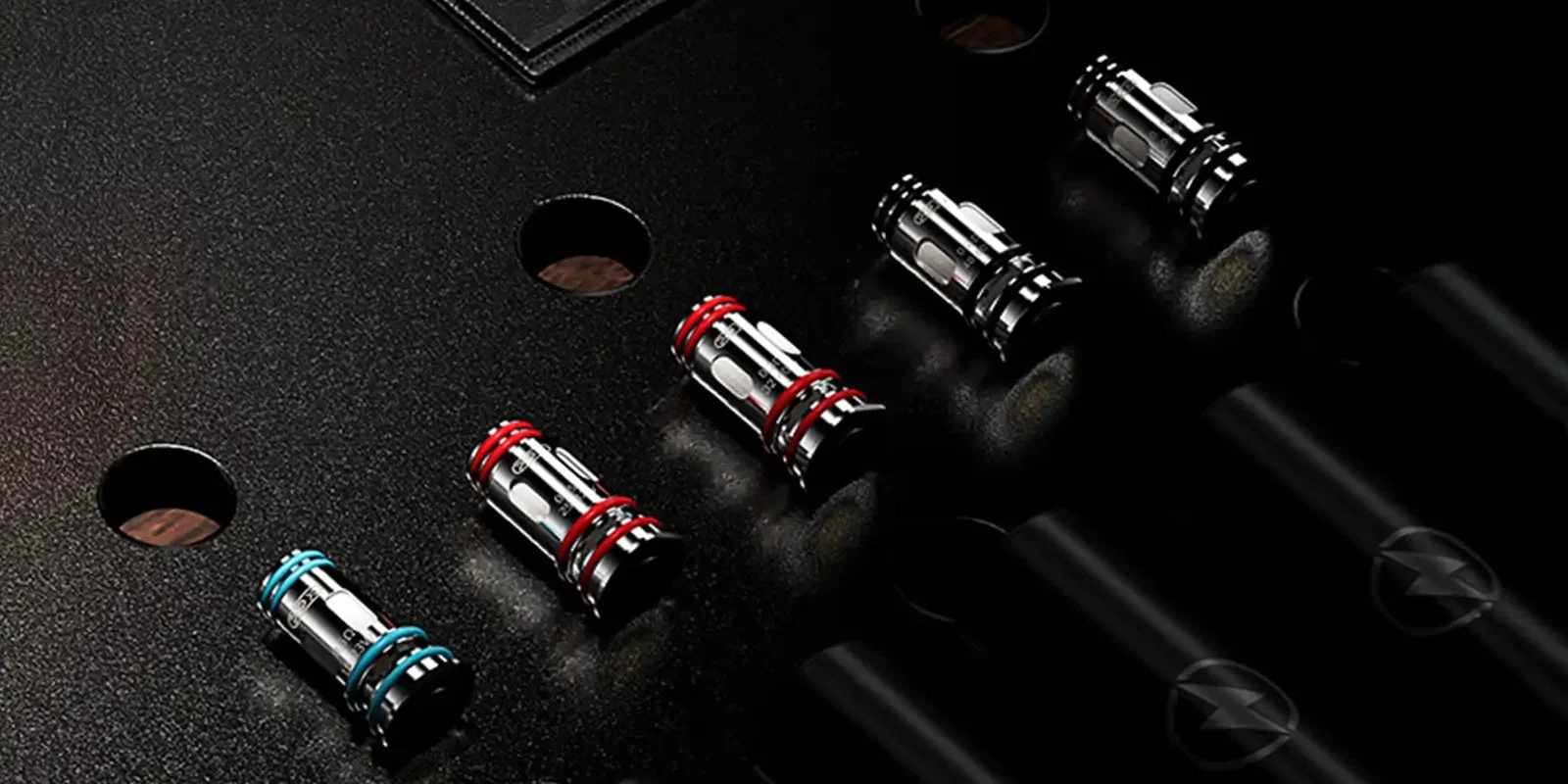
There is no universal vape coil. Coils are designed for specific devices, and mixing brands does not work. Voopoo PnP coils fit Voopoo PnP-compatible tanks. Aspire Nautilus coils fit Aspire Nautilus tanks. Geekvape Z coils fit Geekvape Z-series devices. That is all.
The resistance rating (0.3 ohm, 1.0 ohm, and so on) tells you how the coil performs, but it does not tell you which device it fits. Two coils can share an identical ohm rating and be completely incompatible with each other physically. Always buy the coil specified for your tank or kit, not the cheapest coil that matches the number.
If you are not sure which coil fits your device, the easiest route is to bring the device in or check the brand page. Aspire, Voopoo, Geekvape, Innokin, Vaporesso, Uwell and OXVA all have brand pages here where you can narrow down by device.
Coil brands we stock
Every coil pack here is from the original manufacturer, not a generic copy. Brand-specific engineering matters more with coils than almost anything else.
Aspire
Nautilus & AF Flexus range
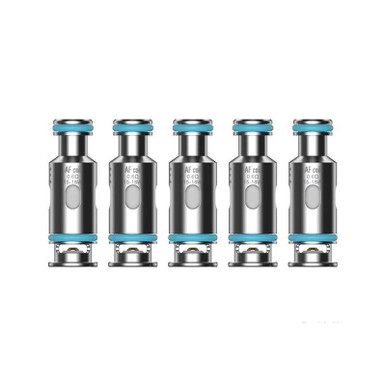
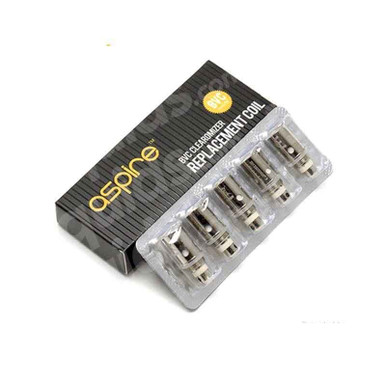
Aspire coils cover their full Nautilus tank range and the AF Flexus pod kit. The BVC (Bottom Vertical Coil) design in the Nautilus line has been refined over ten years. Aspire AF Flexus coils, 5 for £33.99.
Shop all Aspire →Voopoo
PnP interchangeable platform
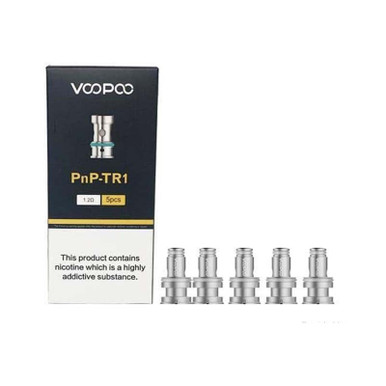
Voopoo's PnP coil system fits across a wide range of their pod kits and tanks, which makes them unusually flexible if you own multiple Voopoo devices. Resistance runs from 0.2 ohm DTL right up to 1.2 ohm MTL.
Shop all Voopoo →Geekvape
Z Series & Zeus range
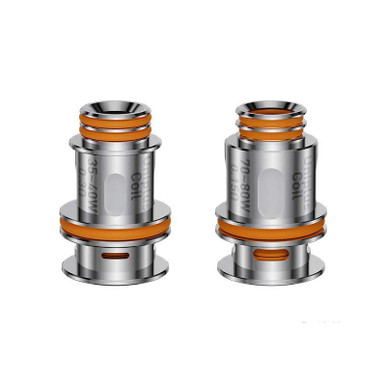
Geekvape Z Series XM coils are built for their Zeus and other high-wattage sub-ohm tanks. If you run a Zeus tank, these are the coils, not an optional upgrade.
Shop all Geekvape →Innokin
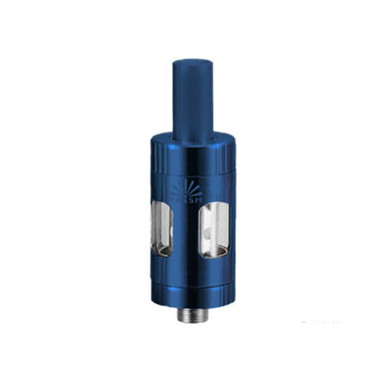
Prism T18 / T22 range
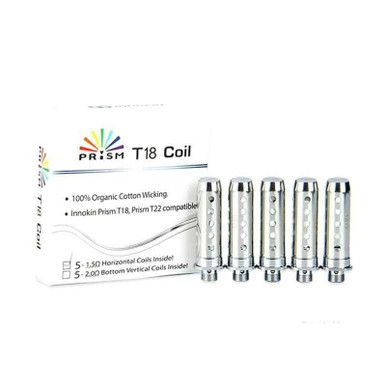
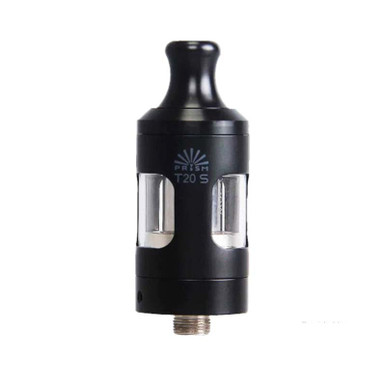
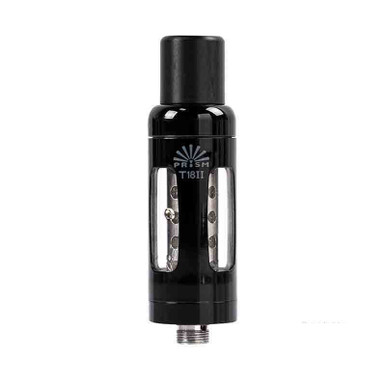
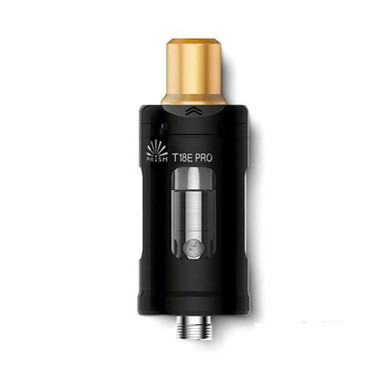
The Prism coil range covers the full Innokin Prism tank lineup, T18, T18 II, T18E, T20S and T22. A 5-pack is £29.99. Innokin coils tend to run long; a fortnight from a pack is realistic for moderate users.
Shop all Innokin →Vaporesso
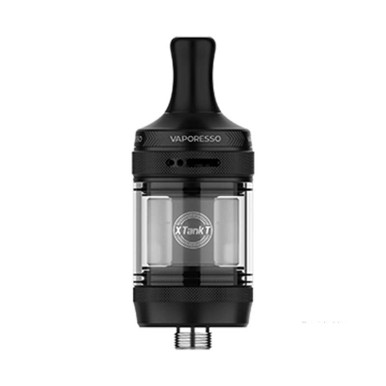
XTank T & iTank range
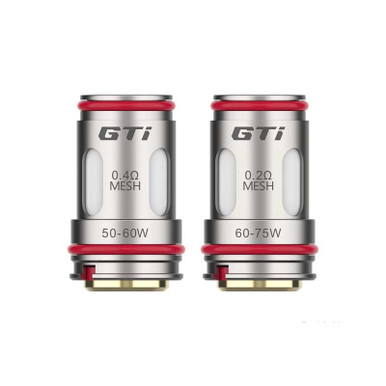
Vaporesso's GTM coil series runs their XTank and iTank range. The dual mesh version in the iTank T delivers flavour that is hard to fault for the price.
Shop all Vaporesso →OXVA, Uwell & Smok
Xlim, Crown & RPM coils
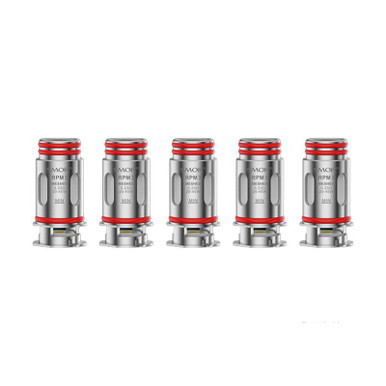
OXVA Xlim coils, Uwell Crown coils and Smok RPM coils are all available. Brand pages have the full listings for each device.
Shop all OXVA, Uwell & Smok →Choosing a vape tank
A vape tank holds e-liquid and houses the coil. That is its job. Beyond that, tank choice comes down to three things: the type of draw you want (MTL or DTL), the liquid you plan to use and the device you are attaching it to.
MTL tanks use higher-resistance coils, a tighter airflow and are made for nic salts or 50/50 e-liquid. They produce less vapour and a draw that feels much closer to a cigarette. The Aspire Nautilus 3SR (£20.99) and Innokin Prism T18E Pro (£10.99) are both solid MTL choices, particularly if you are moving from cigarettes or coming off a disposable.
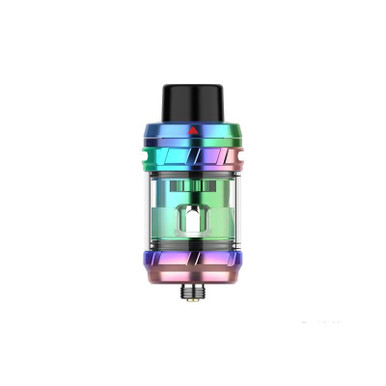
Sub-ohm tanks run at higher wattage, produce far more vapour and are designed for high-VG shortfills. The Geekvape Zeus Sub Ohm Tank (from £16.99) and the Vaporesso iTank T (£19.99) are the kind of things experienced vapers pair with a regulated mod. Neither is a beginner device; they reward people who already know what wattage they like.
UK tank capacity: the 2ml rule
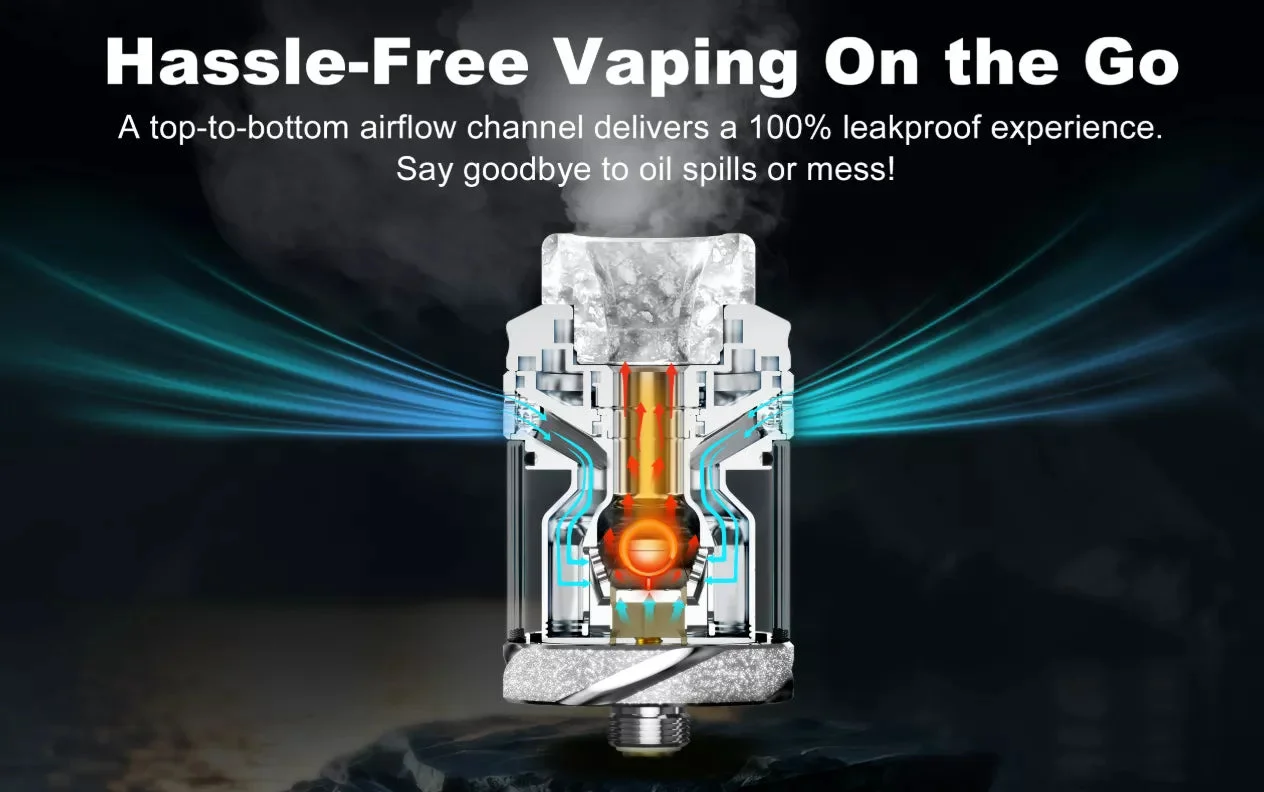
UK TPD regulations cap tank capacity at 2ml. Most tanks sold here comply by default, with bubble glass or extended sections sold separately that push capacity to 4ml or more. The 2ml restriction applies at retail; you can use an extended glass once you have bought the tank. All tanks in this range are TPD-compliant.
Running costs: what coils actually add up to
A 5-pack of coils at £29.99 to £33.99 works out to roughly £6 to £7 a coil. Change them every ten days and that is about £1.80 to £2.10 per week in coils, on top of your liquid. Heavy vapers changing every five days pay £2.50 to £3 a week. Neither figure is dramatic compared to cigarettes at £14 to £16 a pack, but it is still worth knowing before you start.
Some coils repay the investment in longevity. The Innokin Prism range, in particular, often runs notably longer than cheaper alternatives because Innokin calibrates the recommended wattage conservatively. Running a coil ten percent below its rated maximum will consistently extend its life. Worth keeping in mind if you are on a device with adjustable power.
The cheapest way to keep costs down is not to find the cheapest coil pack; it is to look after the coil you have. Prime it properly. Do not run it dry. Stay inside the wattage range. Those three habits cost nothing and will easily halve how many coils you get through in a month.
When a tank might be worth replacing, not just the coil
Coils are cheap; tanks are a bigger spend. Most of the time, swapping a coil sorts the issue. But there are a few signs that the tank itself is the problem: persistent leaking after multiple coil changes, cracked glass that has not been fixed with a replacement tube, a stripped thread on the base or an airflow ring that no longer adjusts smoothly.
Tanks also have a natural limit; the coil seat threads wear over time. If the same tank has been in use for two or three years and coils never seem to seal properly anymore, the thread wear is likely the reason. At that point, a new tank is a more sensible solution than another coil swap. Vape kits and replacement tanks are both listed on the site.
Find your coil or tank.
Browse by brand or head to the brand pages to narrow down exactly which coil fits your kit.
Frequently asked questions
How long do vape coils last?+
Heavy vapers typically need a new coil every four to six days. Moderate users get around one to two weeks. Light vapers can push three weeks, though flavour degrades before the coil fully dies. Burnt taste is the main sign it is time to change.
What is the difference between sub-ohm and MTL coils?+
Sub-ohm coils are below 1.0 ohm resistance. They run at higher wattage, produce more vapour and suit direct-to-lung vaping with high-VG liquids. MTL coils are 1.0 ohm and above, running at lower wattage with a tighter draw closer to a cigarette. They work best with nic salts and 50/50 e-liquid.
Do vape coils fit any tank?+
No. Coils are device-specific. A Voopoo PnP coil fits Voopoo PnP tanks; an Aspire Nautilus coil fits Aspire Nautilus tanks. The ohm rating does not determine compatibility, only how the coil performs. Always buy the coil specified for your exact tank or kit.
What does coil priming mean?+
Priming means allowing the cotton wick inside a new coil to fully soak with e-liquid before you fire it. Fill your tank, wait two to five minutes and optionally add a few drops directly onto the visible cotton ports before fitting the coil. Skipping this step causes the cotton to burn dry on the first few puffs, ruining the coil immediately.
Are mesh coils better than standard coils?+
Mesh coils use a fine metal mesh instead of wound wire, giving a larger and more even heating surface. In practice this means better flavour, more consistent vapour and often a slightly longer lifespan than a standard wire coil. Most current sub-ohm tanks now ship with mesh coils as standard.
What is the difference between an MTL tank and a sub-ohm tank?+
An MTL tank has tighter airflow and uses higher-resistance coils for a cigarette-like draw. A sub-ohm tank is more open, runs at higher wattage and produces much larger vapour clouds. MTL suits nic salts and ex-smokers; sub-ohm suits experienced vapers using high-VG shortfills.
Does UK law limit how big a vape tank can be?+
Yes. UK TPD regulations set a 2ml retail capacity limit for vape tanks. Some tanks come with extended glass sections that allow a larger fill once you own the device. All tanks stocked at VapeCity comply with UK TPD requirements.
How do I know when to replace my tank rather than the coil?+
If swapping coils does not stop persistent leaking, if the glass is cracked, if the thread feels loose or a coil never seems to seal properly anymore, the tank itself likely needs replacing. A heavily used tank from two or three years ago will have thread wear that no new coil can fix.
Related categories & brands
Vape KitsStarter kits and refillable pod kits→Refillable Vape PodsPod systems with replaceable coils→E-Liquid & ShortfillsHigh-VG liquid for sub-ohm tanks→Nic Salts10mg and 20mg salts for MTL kits→AspireNautilus tanks and AF Flexus coils→GeekvapeZeus tanks and Z Series coils→VoopooPnP coil range→InnokinPrism coil range→
All Vape Coils & Tanks products
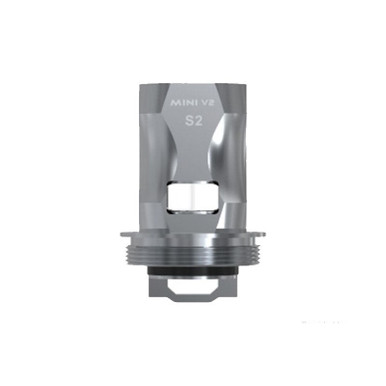
- Smok Mini V2 S2
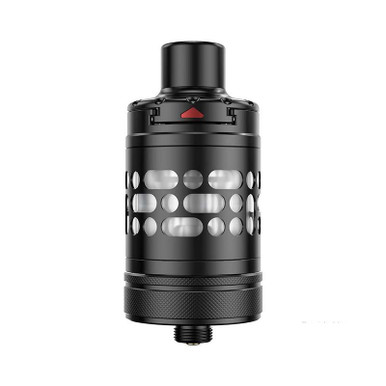
- Aspire Nautilus 3SR Tank
- Voopoo U Force X Tank
- Geekvape Zeus Sub Ohm Tank 5
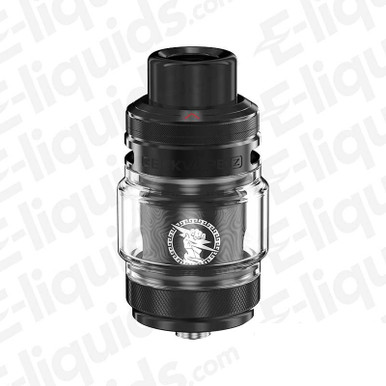
- Geekvape Zeus Sub Ohm Tank
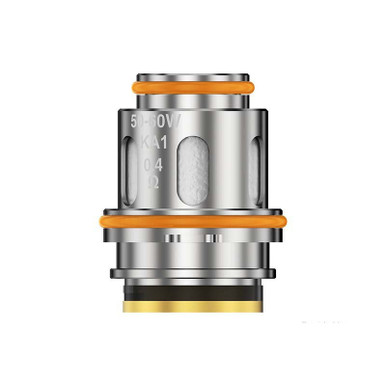
- Geekvape Z Series XM Coils (Boost Version)
- Innokin Prism T18/T22 Coil (5 Pack)
- Innokin Prism T20S Tank
- Innokin Prism T18 II Tank
- Innokin Prism T18E Pro Tank
- Innokin Prism T18E Tank
- Vaporesso GTi Dual Mesh Vape
- Vaporesso iTank T Dual Mesh Vape Tank
- Vaporesso XTank T Vape Tank
- Vaporesso GTX Dual Mesh Replacement
- Gold Bar 20K Apollo Tank & Refill
- Smok TFV12 Prince
- Vaporesso GT Core Mesh
- Voopoo PnP VM
- Voopoo PnP X
- Voopoo PNP TW
- Smok RPM 3 Replacement
- Aspire AF Flexus Replacement Vape Coils 5 Pack
- OXVA Uniplus
- Vaporesso GTi Replacement
- Voopoo ITO Replacement
- Smok LP2
- Innokin T18
- HorizonTech Sakerz
- Aspire General BVC
- Voopoo PnP TR1 Replacement
- Voopoo TPP DM Mesh
- Voopoo PnP DW80 (PnP TM2)
- Smok Vape Pen 22
- Uwell Caliburn G
- Aspire Nautilus BVC Replacement
- Geekvape Z Series Replacement
- Innokin Zenith
- Innokin Zenith Plexus Z 0.5 Ohm
- Aspire PockeX Replacement
- Smok TFV Mini V2
- Innokin T18 E Prism
- Smok RPM Replacement
- Smok RPM 2 0.16 Ohm
- Innokin Prism S
- Smok Nord
- Aspire Nautilus 2S Replacement
- Vaporesso GTX Mesh Replacement Vape
- Innokin Go S Tank
- HorizonTech Falcon
- HorizonTech Falcon 2 Sector
- Geekvape B Series